Ferrets are obligate carnivores, which means their bodies are designed to digest animal protein and fat. Unlike many other pets, ferrets have very short digestive tracts and cannot efficiently process large amounts of grains, fruits, or vegetables.
A species-appropriate diet is one of the most important factors in keeping your ferret healthy, active, and maintaining a healthy coat and body condition.
Many ferret owners choose to feed a balanced raw diet made up of a variety of meats, organs, and edible bone. Contrary to popular myths, feeding raw meat does not make ferrets aggressive. In fact, a properly balanced raw diet closely mimics what ferrets would naturally eat in the wild.
Common raw feeding options include:
Chicken wings, necks, and drumsticks
Turkey necks and wings
Beef chunks and ground beef
Pork shoulder and pork belly
Rabbit
Quail
Whole prey such as mice, rats, chicks, and small fish
Providing a variety of protein sources helps ensure your ferret receives a broad range of nutrients while keeping mealtime interesting.
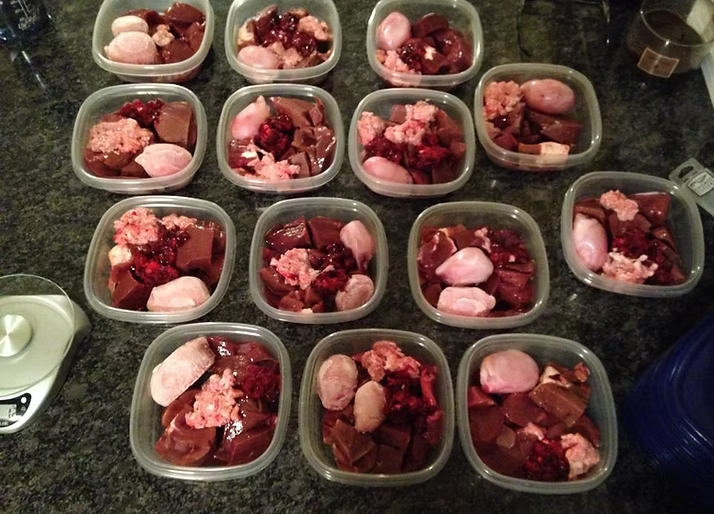
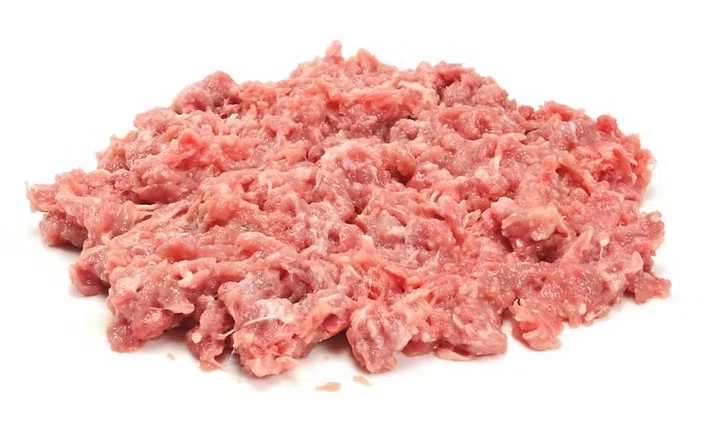
If you choose to feed raw, balance is essential. Feeding only muscle meat can lead to nutritional deficiencies over time.
A balanced raw diet should generally consist of:
80% muscle meat and heart
10% edible raw bone
10% organs, with approximately half coming from liver
Never feed cooked bones, as they can splinter and cause serious injury.
Many owners choose commercially prepared raw diets designed for ferrets or cats, while others prepare meals themselves using trusted raw-feeding guidelines.
Young ferrets (kits) have fast metabolisms and need frequent meals while they are growing. Continuing the diet they are accustomed to during the transition to a new home can help reduce stress and make settling in easier.
Well-fed kits are generally more content, energetic, and focused on playing and exploring rather than testing everything—including your fingers—with their teeth!
No matter which diet you choose, fresh, clean water should always be available. Many ferret owners prefer heavy water bowls over bottles, as bowls allow for more natural drinking behavior and help keep ferrets properly hydrated.
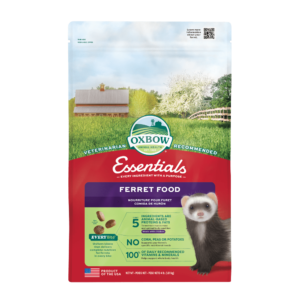
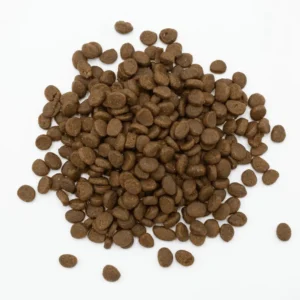
While many ferret owners choose to feed a balanced raw diet, high-quality kibble is also a popular option and can provide complete nutrition when selected carefully.
Ferret kibble is specially formulated to be high in animal protein and fat, helping to meet a ferret’s unique dietary needs. Because kibble must be formed into dry pellets, it often contains some plant-based ingredients that are not present in a raw diet. As a result, ferrets fed kibble may produce larger and more frequent stools compared to those fed a balanced raw diet.
Many owners choose a combination feeding approach, offering kibble throughout the day and supplementing with raw meals or treats. This can be a practical option for busy households while still providing dietary variety.
Not all pet foods are suitable for ferrets. Dog food should never be fed, as it contains ingredients and nutrient levels that do not meet a ferret’s nutritional requirements.
When selecting a kibble, look for:
At least 35–40% protein
High animal-based protein content
Moderate to high fat levels
Low carbohydrate content
Minimal fillers such as corn, wheat, or soy
Many experienced ferret owners also mix two or three quality kibbles together. This can help prevent picky eating and makes future diet changes easier if one brand becomes unavailable.
Most standard cat foods are not ideal for ferrets, but some premium, high-protein cat foods can be used successfully. Brands with high meat content and minimal fillers are generally the best choice.
Whether you feed raw, kibble, or a combination of both, the most important goal is providing a diet that is rich in animal protein and supports your ferret’s long-term health and wellbeing.