
No matter whether your ferrets live indoors or outdoors, they will need daily time outside of their enclosure to run, play, and explore.
Ferrets are famous for sleeping for most of the day—often between 16 and 18 hours—but don’t let that fool you. When they wake up, they are full of energy and ready for action! Running around, chasing their friends, exploring new places, and generally causing mischief are all important parts of a happy ferret’s life.
A ferret that spends too much time confined to a cage can quickly become bored and frustrated. One common sign of this is bar biting, where a ferret repeatedly bites and pulls at the bars of its enclosure in an attempt to get out. Not only can this damage the cage, but it can also lead to broken teeth and mouth injuries. Regular exercise and plenty of enrichment are the best ways to prevent this behaviour.
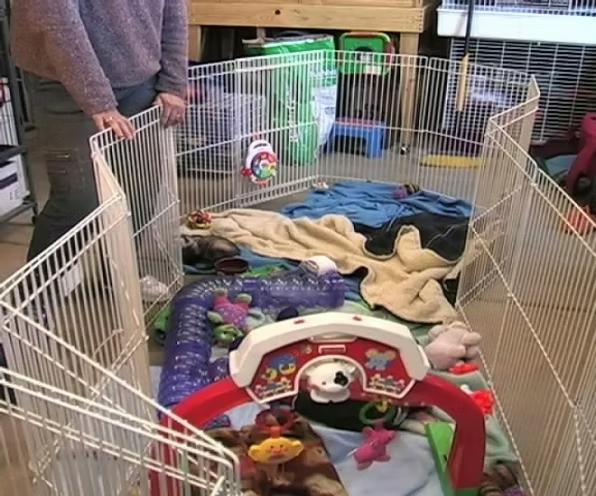
Kits and young ferrets seem to have endless energy and can spend hours chasing each other around. A secure play area gives them the space they need to burn off that energy safely.
Many owners use puppy playpens, folding metal runs, or dedicated ferret rooms. If you’re buying a playpen, choose one designed for puppies rather than small animals, as ferrets need enough room to sprint, wrestle, and perform their famous “weasel war dance” when they’re excited.
If your home is fully ferret-proofed, supervised free-roaming can be a fantastic form of exercise. Just remember that ferrets are experts at finding places they shouldn’t be. If there’s a gap, cupboard, drawer, or piece of furniture to investigate, they’ll find it!
The best toys are often the simplest.
Most ferrets love:
Tunnels and tubes
Cardboard boxes
Ball pits
Dig boxes
Soft toys
Crinkly bags and tunnels
Interactive toys that can be pushed, chased, or hidden
One of the funniest things to watch is a group of ferrets racing through tunnels or proudly carrying toys around as though they’ve discovered hidden treasure.
Rotating toys every few weeks can help keep things interesting and prevent boredom.
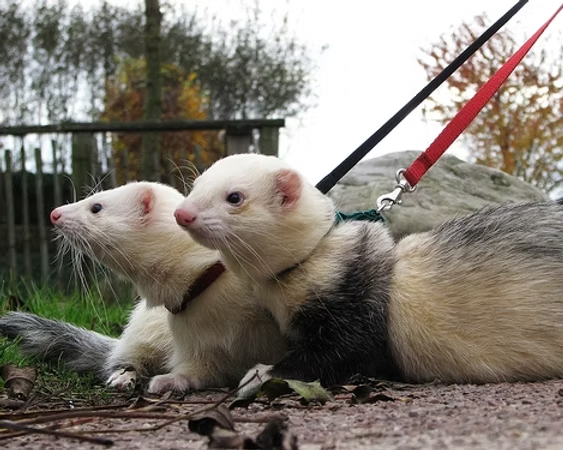
Some ferrets enjoy going for short walks on a harness and lead. It’s a great way to provide extra enrichment and allow them to experience new sights, smells, and environments.
If you choose to harness train your ferret, make sure the harness fits correctly. Ferrets are surprisingly flexible and can escape from poorly fitting harnesses much faster than most owners expect! Always supervise your ferret outdoors and never leave them attached to a lead unattended.
Before allowing your ferrets to play in a room, garden, or outdoor run, take the time to check for potential hazards.
Ferrets are naturally curious and will investigate absolutely everything. They can squeeze through tiny gaps, climb onto furniture, open cupboards, crawl behind appliances, and disappear into places you didn’t even know existed.
They’re also surprisingly clumsy at times, so don’t assume they will always land safely if they climb somewhere high.
Before playtime, check for:
Gaps and holes they could escape through
Electrical cables
Reclining sofas and chairs
Open cupboards and drawers
Toxic plants
Small objects that could be swallowed
Access to ponds, drains, or other hazards
A few minutes spent ferret-proofing can prevent accidents and save a lot of panic later on.
As a general rule, ferrets should have at least 3–4 hours of supervised playtime outside of their enclosure every day, although many owners provide more whenever possible.
Exercise is important for keeping your ferrets physically fit, mentally stimulated, and happy. It also gives them the opportunity to express their natural behaviours and strengthen their bond with both you and their ferret friends.
At the end of a busy play session, don’t be surprised to find your ferrets curled up together in a hammock, fast asleep and recharging for their next adventure.